

 See My Latest Article on HelloNation
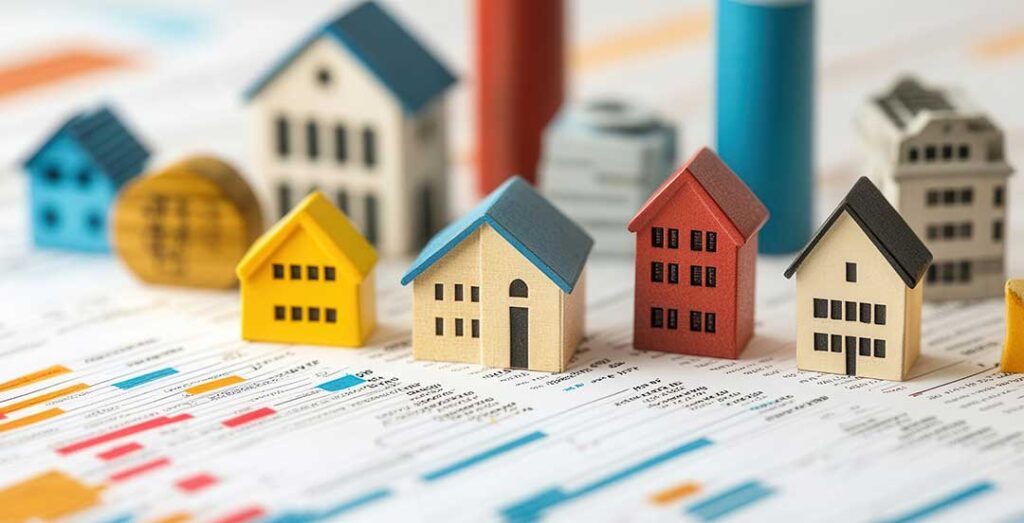
What Are the Core Differences Between Renting and Buying a Home?
Renting and buying meet different needs for households in Baton Rouge, LA. Renting offers flexibility and fewer responsibilities, while buying a home favors long-term investment and stability. Understanding these differences helps area residents make decisions that fit their lifestyle and financial plans.
- Renting generally means paying a landlord to live in a property for a set lease period, without ownership rights.
- Buying involves purchasing and owning the property outright or through a mortgage, with ongoing responsibility for maintenance, taxes, and other associated costs.
Both choices hold pros and cons shaped by Baton Rouge's housing patterns, weather, costs, and community expectations.
Why Might Renting Appeal to Baton Rouge Residents?
Renting offers convenience and adaptability, especially for those facing career changes, family transitions, or financial uncertainty. In Baton Rouge, where weather events like hurricanes can cause unexpected property issues, some residents prefer not to shoulder long-term repair concerns.
Advantages include:
- Flexibility to move at the end of a lease—helpful for university students, new professionals, or those unsure about job stability.
- No property tax payments, as these are the landlord’s responsibility.
- Maintenance and major repairs often handled by landlords, reducing personal worry during events like heavy summer storms or flooding.
- Predictable monthly expenses, since most leases set rent for 12 months at a time.
Some drawbacks to consider:
- No long-term equity building or ownership stake in the property.
- Annual rent increases may impact budgeting more than a fixed-rate mortgage in some years.
- Restrictions on personalization—painting walls, renovating, or owning certain pets may be limited.
- Less security if an owner decides to sell the property or end the lease.
What’s Involved in Homeownership Locally?
Owning a home in Baton Rouge brings a different set of responsibilities and benefits. Many in the community see homeownership as a way to put down roots, take advantage of steady neighborhoods, and possibly grow personal wealth via property appreciation. Homeowners can also make decisions about their space, from hurricane-proofing renovations to building gardens for warm, humid seasons.
Common benefits:
- Ability to modify or update the property to suit changing needs.
- Opportunity for steady monthly payments if locking into a fixed-rate mortgage.
- Building equity over time, with the potential for the property value to increase.
- Sense of stability and long-term presence in the community, particularly desirable for families with children enrolled in local schools.
Potential disadvantages:
- Maintenance, repairs, and insurance costs, all of which can spike after tropical storms or severe weather typical in the area.
- Upfront costs, including down payments, closing fees, and moving expenses.
- Less flexibility to move quickly due to local market conditions or home sale timelines.
- Responsibility for property taxes and compliance with city ordinances, such as stormwater management in certain neighborhoods.
How Do Local Housing Prices and Costs Affect the Choice?
Housing affordability in Baton Rouge shapes many residents’ choices between renting and buying. While the median home price is usually lower than the national average, buyers face upfront costs and ongoing expenses, including homeowners’ insurance (which may factor in flood risk). Renters avoid those costs but don’t build wealth through home value growth.
Considerations:
- Homeownership may feel economically advantageous when interest rates are low and property values rise, but these factors can fluctuate.
- Renters avoid market risk, but landlords may adjust rents over time, especially if property demand increases in popular neighborhoods.
- Many residents balance monthly affordability—can your household safely manage mortgage payments alongside insurance, property taxes, utilities, and upkeep?

What About Lifestyle and Community Factors?
Some local households choose renting for the freedom to explore new neighborhoods, minimize yard work in Baton Rouge’s hot climate, or stay close to cultural and academic institutions with frequent moves. Homeownership, on the other hand, often fosters deeper relationships with neighbors and the broader community.
Ask these questions:
- Are you planning to stay in the same area for more than a few years?
- Would you like to have control over landscaping, outdoor projects, or home features?
- Are school zones an important priority for your family?
- Is weather resilience (such as hurricane shutters, raised foundations, or premium insurance) a top concern?
Common Misconceptions About Renting and Owning in Baton Rouge
Misunderstandings about cost, ease of buying, and maintenance can influence decisions.
Common misconceptions:
- That rent is “throwing money away”—while renting doesn’t build equity, it meets critical needs for short-term residents or those wanting predictable costs.
- That buying always saves money in the long run—unexpected repairs, insurance hikes, or market downturns can impact budgets.
- That homeownership is out of reach for most—while upfront costs can be a barrier, various loan programs and local grants exist for eligible buyers.
How Should Baton Rouge Households Approach the Decision?
The best approach is honest self-assessment. Evaluate how long you expect to remain in the community, your willingness to handle regular home upkeep amidst the local climate, your current financial situation, and household goals.
Review:
- How stable is your income, and do you have emergency savings?
- Are you prepared for insurance requirements unique to Baton Rouge, such as flood or wind coverage?
- How much do you value flexibility versus permanence?
The right decision blends practical needs, financial readiness, and personal goals—not just national trends or assumptions.